
Carpentry
Carpentry is more than just cutting timber and assembling frames—it's the backbone of functional, beautiful spaces. Whether you're building a custom deck, installing intricate trim, or crafting bespoke cabinetry, quality carpentry sets the standard for every other trade to follow. It’s the fine details, like smooth finishes and perfect joins, that elevate a project from ordinary to extraordinary. A skilled carpenter doesn’t just work with wood; they shape spaces that reflect personality and purpose. Every saw cut and nail placement carries intention. This commitment to quality is what makes carpentry such a timeless and valued trade.
One of the key aspects of carpentry is structural integrity. Without strong, reliable framing, even the most beautiful finishes won’t last. A well-built frame ensures walls remain straight, floors stay level, and ceilings hold firm. It’s not just about following blueprints—it’s about understanding how every piece fits together to support the whole. A great carpenter thinks ahead, anticipating load points and problem areas before they arise. This foresight saves time and money on future repairs. In every project, the carpenter’s role begins early and carries through to the final detail.
Beyond structure, carpentry adds character and warmth to any home or commercial space. Think of elegant crown mouldings, custom shelving, or a handcrafted staircase—each speaks to the artisan’s touch. These elements bring style and individuality to what would otherwise be basic construction. Precision in these details requires a deep understanding of materials and techniques. It’s not enough to measure and cut—you must envision how the finished piece will blend with its surroundings. In this way, carpentry becomes both a science and an art.
With modern tools and technology, the possibilities in carpentry have expanded dramatically. From laser-guided saws to computer-designed joinery, today’s carpenters can achieve levels of accuracy once thought impossible. These advancements allow for more ambitious designs and faster completion times, without compromising quality. Yet, even with high-tech equipment, the essence of carpentry remains in the hands of the craftsman. It’s still about feeling the grain of the wood, adjusting for imperfections, and delivering that seamless final touch. Technology enhances the craft—it doesn’t replace it.
Carpentry also plays a crucial role in sustainable building practices. By using responsibly sourced timber and maximizing material efficiency, carpenters can reduce waste and environmental impact. Reclaimed wood projects, for instance, breathe new life into old materials with history and soul. This approach not only conserves resources but also creates unique, story-rich designs. Many homeowners now seek eco-conscious renovations, and expert carpenters are leading the way. Through mindful craftsmanship, carpentry becomes a tool for both beauty and environmental responsibility.
Another powerful aspect of carpentry is customization. Unlike mass-produced furniture or prefab kits, custom-built pieces offer a perfect fit for the space they’re made for. Whether it’s a kitchen island tailored to your cooking needs or a built-in desk designed for remote work, custom carpentry ensures function meets lifestyle. This level of personalization turns houses into homes and makes businesses feel more inviting. The freedom to design and build from scratch is what sets true carpentry apart from off-the-shelf solutions. It reflects your vision in every joint and finish.
Working with a skilled carpenter also adds long-term value to your property. Professionally built features withstand wear and tear, offering both durability and aesthetic appeal. Real estate agents often highlight quality timber work as a key selling point, knowing it signals care and craftsmanship. Whether it’s a stunning timber deck or finely crafted cabinetry, carpentry upgrades make spaces more livable and marketable. This kind of work doesn’t just look good—it pays dividends in the future. Homeowners who invest in carpentry often see the return for years to come.
Ultimately, carpentry is about transformation. It turns raw materials into functional elegance, and empty shells into welcoming spaces. From the skeleton of a home to the polish of a finished room, every stage bears the mark of a carpenter’s skill. It’s a trade built on patience, precision, and passion—values that never go out of style. When done right, carpentry goes unnoticed because it feels natural and seamless. But its impact is undeniable, shaping the spaces where we live, work, and connect. That’s the true power of expert craftsmanship.
Decking
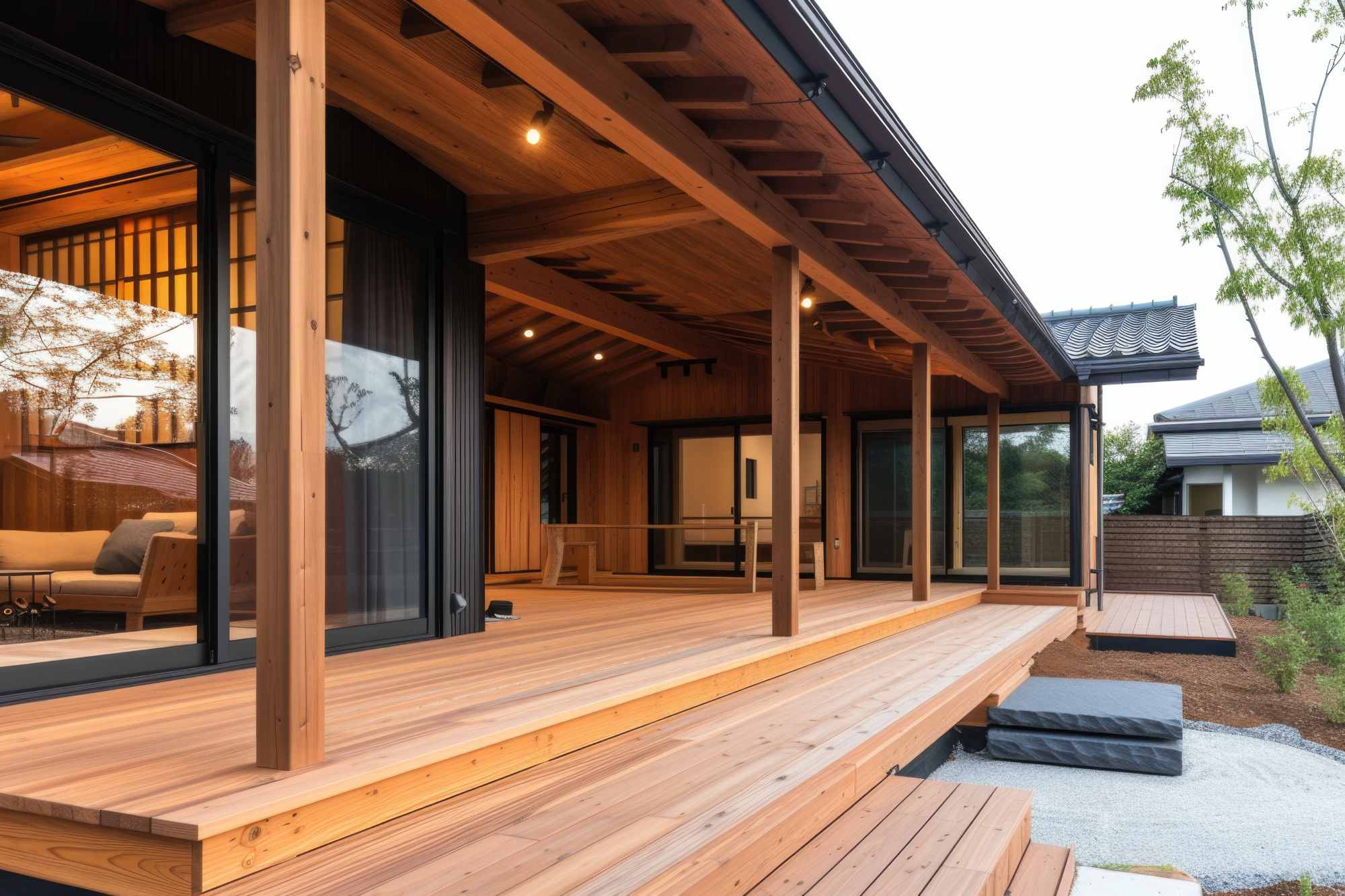
A well-designed deck isn’t just an extension of your home—it’s a lifestyle upgrade. Whether you’re hosting friends, enjoying quiet mornings, or dining under the stars, a deck creates the perfect setting. It offers a natural transition from indoors to out, providing both functionality and aesthetic appeal. With thoughtful planning and skilled craftsmanship, decking can redefine how you experience your property. It adds usable square footage and a sense of luxury that elevates your everyday living. Great decking isn't just built—it’s curated for the way you live.
The materials used in decking can dramatically influence the look, feel, and longevity of your space. Timber, composite, and hardwood options each come with unique benefits. Timber decks deliver warmth and authenticity, while composite materials offer low-maintenance durability. Hardwood stands out for its richness and resilience against weathering. Choosing the right material depends on your climate, usage, and design goals. The best decks don’t just meet standards—they reflect your style and needs effortlessly.
Design versatility is one of decking’s greatest strengths. From sleek modern lines to rustic, wraparound verandas, a deck can be tailored to complement any architectural style. Multi-level platforms, built-in seating, or pergolas can further enhance the experience. Lighting, railing, and decorative trims add layers of personality and functionality. With creative design, a deck becomes more than a flat surface—it becomes a custom destination. This is where functionality meets flair in the most seamless way possible.
One of the most overlooked benefits of a quality deck is the added property value. Buyers are often drawn to outdoor living areas that feel polished and practical. A beautiful, well-maintained deck not only increases your home’s appeal but also improves its market value. It’s an investment that pays off both in lifestyle enjoyment and financial return. For families, entertainers, or anyone who enjoys time outdoors, a deck is often seen as a must-have feature. Its appeal is universal, bridging aesthetics with real-world usefulness.
Durability is key when it comes to building a deck that stands the test of time. Exposure to sun, rain, and seasonal changes can take a toll on outdoor structures. That’s why professional construction and proper sealing are essential from the start. Using treated timber, weather-resistant fasteners, and quality finishes can prevent common issues like warping and decay. Routine maintenance, like oiling and cleaning, also extends the life of your deck. When built right, a deck becomes a long-lasting asset with minimal headaches.
Decking isn’t just for backyards—it can enhance small patios, balconies, or even rooftop areas. Urban homes with limited green space can benefit from clever decking designs that maximize every inch. These compact installations bring nature into high-density environments, offering calm and charm amid the concrete. Smart decking makes the most of awkward layouts, creating cozy zones for relaxation or entertainment. No matter the size of your space, a well-built deck brings comfort and connection outdoors. It’s all about making space work smarter, not just bigger.
Environmental awareness is also shaping how decks are designed and built. Sustainable practices, such as using recycled materials or responsibly sourced timber, are becoming standard. Decks that are both eco-friendly and stylish show that good design doesn’t have to compromise the planet. Water-permeable surfaces and natural finishes can also help manage runoff and reduce heat absorption. Green decking choices demonstrate a commitment to both beauty and responsibility. As clients grow more conscious, builders must rise to meet that ethical demand.
In the end, decking is about creating moments. It’s where families gather, kids play, and memories are made under the open sky. It invites you to slow down, breathe deeply, and enjoy your surroundings in a space that feels personal and inviting. Every board, post, and step contributes to an experience that blends comfort with the outdoors. A great deck doesn’t shout for attention—it simply becomes the stage for life’s quiet joys and bold celebrations alike. That’s the true power of decking done right.
Plastering
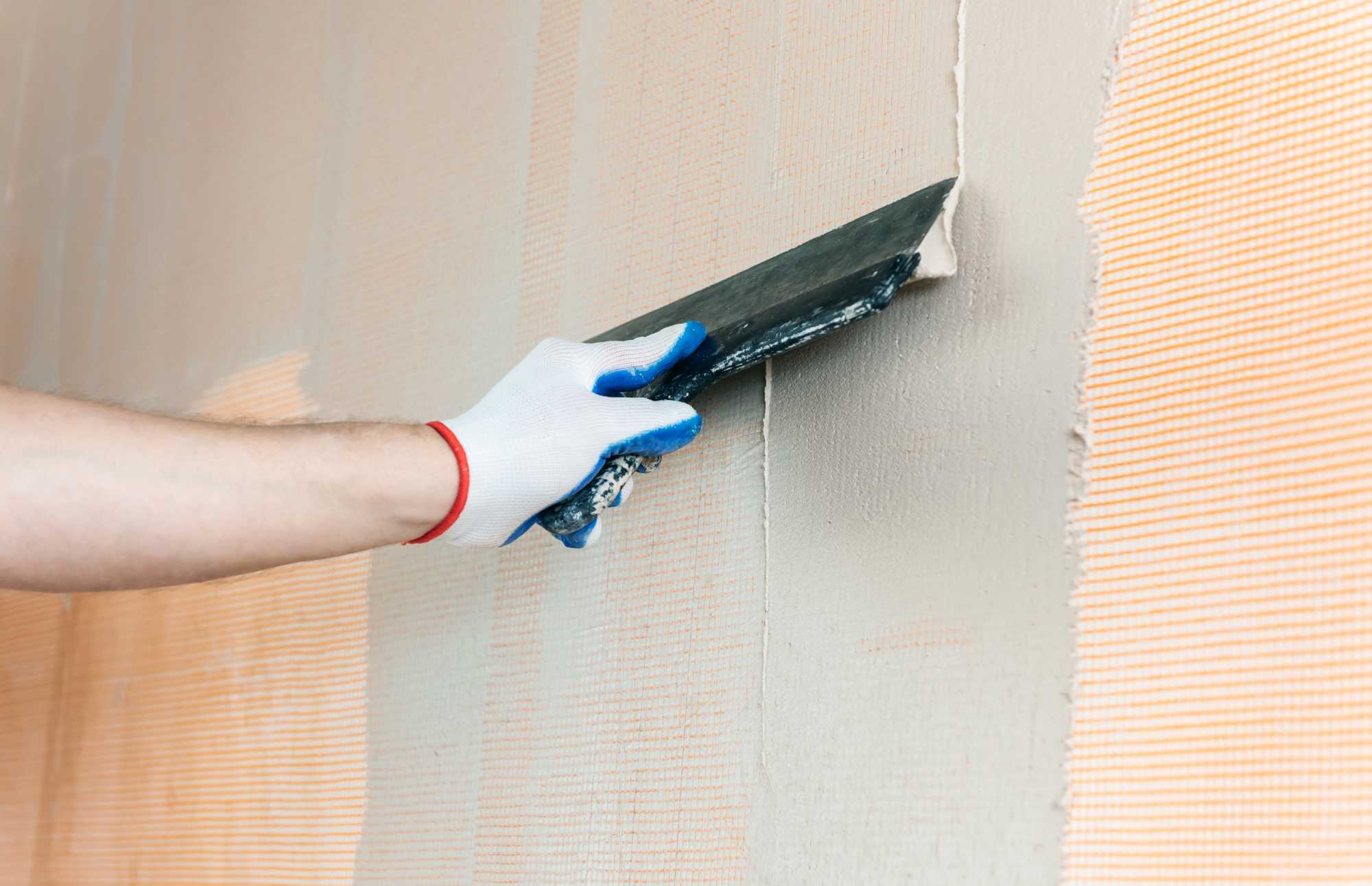
Plastering is one of the most crucial stages in any build or renovation, yet it often goes unnoticed—until something goes wrong. Smooth, even surfaces don’t just happen; they’re the result of careful preparation, skilled hands, and a deep understanding of materials. Whether you're restoring an older property or finishing a brand-new wall, plastering provides the canvas for everything that follows. Paint, wallpaper, and fittings all rely on a seamless finish to truly shine. Behind every perfect wall is a plasterer who’s nailed the technique. It’s craftsmanship that quietly makes everything else look better.
More than just a cover-up, plastering strengthens and protects your interior surfaces. It seals walls against moisture, reinforces durability, and reduces long-term maintenance. Cracks, uneven textures, and surface blemishes are all corrected through expert plastering, creating walls that last. There’s also an insulating quality to quality plasterwork, helping regulate indoor temperatures and improve energy efficiency. With the right mix of materials and tools, plaster becomes both a protective layer and a performance enhancer. That’s why it’s not just cosmetic—it’s structural too.
The type of plaster used can significantly impact both appearance and longevity. Traditional lime plaster, for example, is ideal for heritage properties and offers breathability for older walls. Gypsum plaster is widely used for modern interiors thanks to its fast-setting and smooth finish. Cement-based plasters, on the other hand, are perfect for high-moisture areas like bathrooms or basements. Each variation requires different handling techniques, setting times, and finishing tools. Knowing which to use, and when, is part of the expertise that separates a true professional from a general handyman.
A common misconception is that plastering is a one-size-fits-all process, but that’s far from the truth. From skim coating and float work to texture finishes and repairs, there’s a wide range of methods depending on the project's needs. Each technique demands precision and timing—too slow, and the plaster sets before it can be worked; too fast, and the finish suffers. This is where experience becomes invaluable. A good plasterer knows how to read the room—literally—and adjust on the fly to get the best results. It's a craft honed over years, not weeks.
When it comes to renovations, plastering can completely transform a tired space. Damaged walls, old wallpaper marks, and uneven surfaces can be brought back to life with a professional skim coat. It's often one of the final stages before painting or decorating, and it’s essential for creating a polished, cohesive look. Without it, even the most expensive paint can appear flawed. A well-executed plaster job breathes new life into a room, providing a clean slate for any interior design vision. It's the invisible magic that pulls a makeover together.
Plastering also plays a key role in fire resistance and acoustic control. Quality plasterboard systems combined with the right finish can significantly slow fire spread and reduce noise between rooms. For homes with shared walls or multi-level designs, this can dramatically improve comfort and safety. In commercial settings, such features can even affect compliance and certification. Investing in proper plastering is not just about aesthetics—it’s a smart move for long-term property value and functionality. When done properly, it adds layers of protection along with visual appeal.
Beyond the walls themselves, plastering has made its mark in decorative design as well. Ornate cornices, ceiling roses, and custom mouldings are all crafted using variations of plaster. These details require an artistic touch and a steady hand, blending old-world techniques with modern styling. Whether restoring historical features or adding character to a new build, decorative plastering demands the same level of skill and care as structural work. It’s where functionality meets art, showing just how versatile and expressive plaster can be. These flourishes turn blank walls into statements.
In a world where finishes are often rushed, plastering remains a discipline that rewards patience and precision. It might not be the flashiest trade, but its importance can't be overstated. It creates the foundation for interior elegance, while contributing to a space’s performance, safety, and durability. When you run your hand across a perfectly smooth wall or admire a crisp corner, you’re feeling the result of expert plastering. It’s the quiet foundation of a well-crafted space—and a trade worth every ounce of respect.
Plumbing
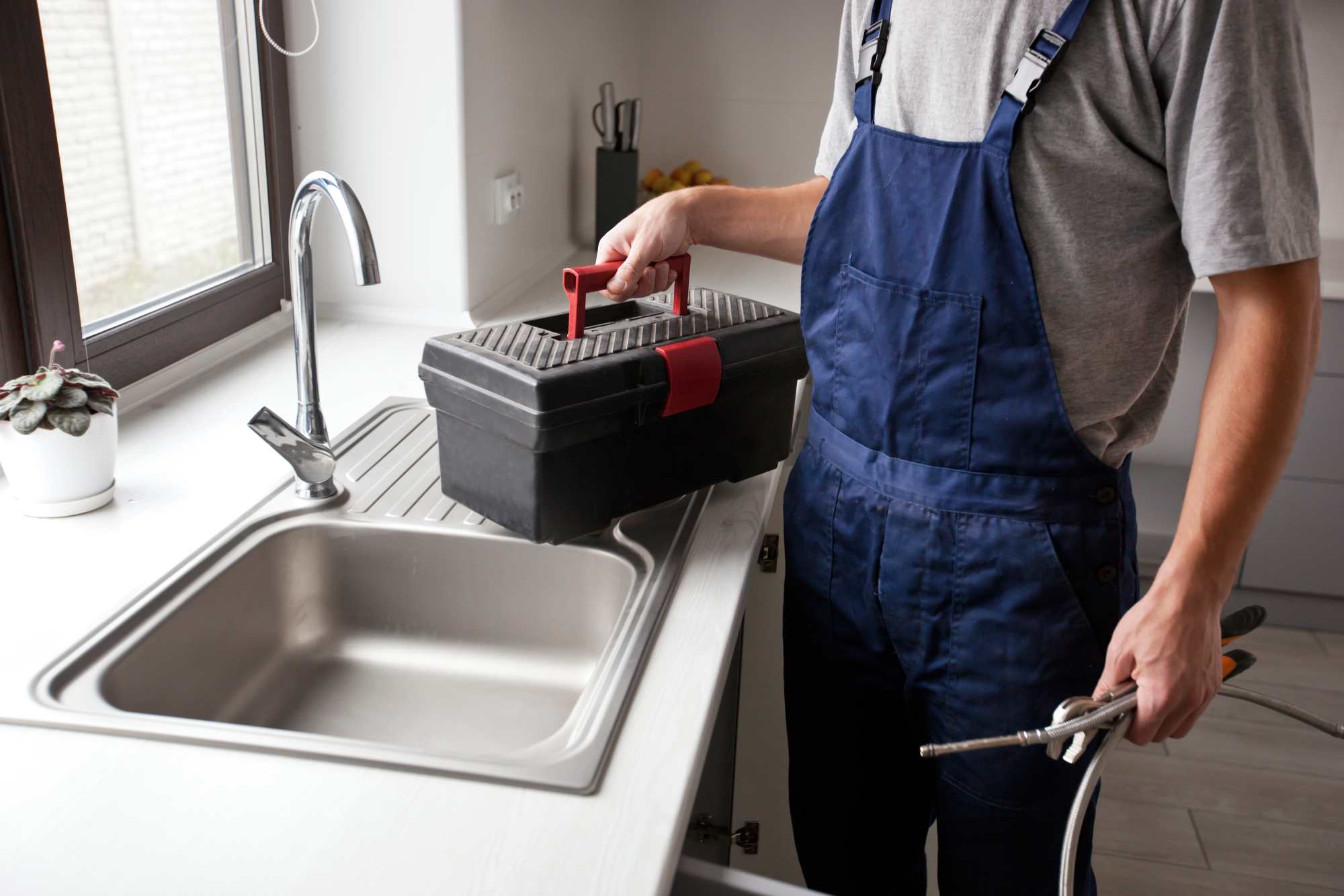
When most people think of home essentials, plumbing rarely makes the top of the list—until something goes wrong. From hot showers in the morning to clean water at the tap, plumbing quietly supports our daily routines. It's the unsung hero of comfort and hygiene, operating behind walls and beneath floors. But make no mistake: it takes serious skill and knowledge to keep it all running smoothly. Good plumbing is about more than pipes—it’s about precision, foresight, and reliability. Without it, even the most beautiful home falls short of being truly livable.
Proper plumbing begins with smart design and careful installation. A well-planned system considers water pressure, waste flow, and long-term accessibility. From the kitchen to the bathroom and laundry, every fixture must be connected with purpose and care. It's not just about function—it’s about avoiding future problems. A poorly installed joint or blocked vent can lead to serious damage, from mold to structural decay. That’s why professional plumbers are essential from day one, not just when things go wrong.
One of plumbing’s greatest strengths lies in its ability to prevent problems before they start. Regular inspections and maintenance can identify small issues—like minor leaks or slow drains—before they escalate into costly repairs. Upgrading old pipes, installing water-efficient fixtures, and ensuring proper sealing around fittings all contribute to long-term performance. Preventative care doesn’t just protect your plumbing—it protects your home, your health, and your wallet. Smart homeowners treat plumbing like a long-term investment, not just a quick fix.
Water efficiency is another major focus in today’s plumbing industry. Modern systems are designed to reduce waste while maintaining performance. Dual-flush toilets, aerated taps, and energy-efficient water heaters are now standard in many builds. These upgrades don’t just conserve resources—they lower utility bills and increase property value. As environmental awareness grows, so does the demand for green plumbing solutions. Plumbers are at the frontlines of this shift, helping clients make informed, sustainable choices without sacrificing comfort.
Plumbing also plays a critical role in health and sanitation. Safe drinking water, proper drainage, and effective waste disposal are non-negotiable in any home or business. A faulty backflow preventer or blocked sewer line can pose serious health risks if not addressed immediately. That’s why licensed plumbers follow strict codes and regulations designed to protect public safety. Behind every clean sink and flushing toilet is a network of standards and checks. Plumbing isn’t just about convenience—it’s about keeping people safe.
In renovation or new construction projects, plumbers are key team players. They coordinate with builders, electricians, and tilers to ensure systems are installed efficiently and to code. Timing is crucial—install too early, and pipes may be damaged; too late, and walls may need reworking. Experienced plumbers understand the rhythm of a job site and know how to work around other trades without compromising quality. Their attention to timing and detail helps keep projects on track and budgets under control. Their role, though often behind the scenes, is central to the project’s success.
Emergencies highlight just how vital skilled plumbing really is. Burst pipes, blocked drains, and leaking hot water systems don’t wait for convenient moments to strike. That’s when reliable, responsive service becomes invaluable. Professional plumbers bring more than tools to the job—they bring problem-solving expertise, speed, and peace of mind. When water is pouring through the ceiling or sewage backs up in the yard, there’s no room for guesswork. A seasoned plumber turns chaos into calm, one fix at a time.
At its core, plumbing is about trust. You're putting your home's most essential systems in the hands of someone else, and you need to know they’ll do it right. Good plumbers stand by their work, communicate clearly, and treat your property with respect. They’re not just fixing pipes—they’re building long-term relationships based on reliability and integrity. When everything works as it should, you barely notice it. But that quiet perfection is no accident—it’s the result of true professional care.
Tiling
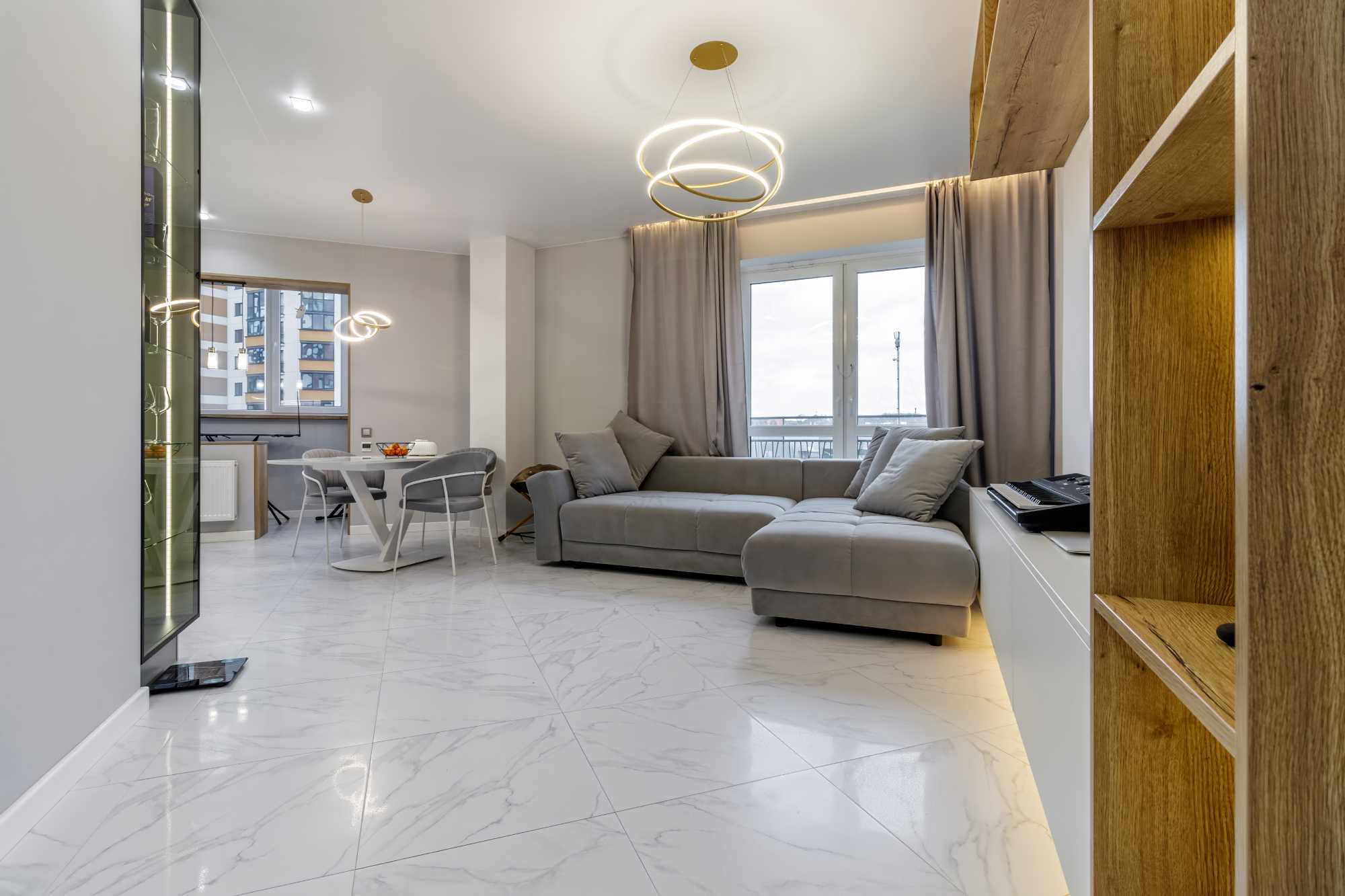
Tiling is more than just a practical surface—it’s a defining feature that brings texture, style, and personality to any room. From elegant bathrooms to vibrant kitchen splashbacks, tiles can transform plain surfaces into visual statements. Choosing the right tile and pattern isn’t just about looks; it’s about creating harmony between form and function. Whether it's sleek porcelain or rustic terracotta, the possibilities are endless. When installed with precision, tiling adds depth and polish to your interior or exterior design. It's a small detail that makes a big impression.
What sets great tiling apart is the craftsmanship behind it. Laying tiles might look simple, but it requires accuracy, planning, and the right tools. A well-tiled surface has consistent spacing, smooth alignment, and clean grout lines that last. Without the right skill, even the most expensive tiles can look amateurish. That’s why hiring a professional tiler makes all the difference—someone who understands substrates, adhesives, and finishes. Tiling is an art form that blends technical skill with a designer’s eye.
The choice of tile can completely change the feel of a space. Glossy finishes create a sense of luxury and reflect light beautifully, perfect for smaller areas. Matte or textured tiles, on the other hand, offer a more grounded, tactile feel that suits natural or industrial interiors. Large-format tiles give rooms a seamless, modern look, while mosaics bring intricate detail to feature walls and niches. Every selection—from colour and size to grout contrast—shapes the atmosphere. Tiling is where aesthetics meet architectural impact.
Durability is one of tiling’s biggest advantages, especially in high-traffic or wet areas. Unlike painted surfaces or timber flooring, tiles resist moisture, stains, and daily wear with ease. They’re easy to clean and maintain, making them ideal for busy households or commercial environments. From entryways to alfresco patios, tiled surfaces hold up under pressure and still look great years down the track. When properly sealed and maintained, quality tilework stands the test of time. It’s a smart investment for both style and longevity.
Tiling isn't limited to floors and walls—it’s also used creatively for fireplaces, stair risers, benchtops, and outdoor features. This versatility allows you to add visual interest in unexpected places. Even small accent areas, like a tiled table or niche, can introduce texture and colour into a space. With so many shapes, patterns, and materials available, customisation is nearly limitless. You can create a cohesive flow or bold contrast depending on the look you're after. Tiling offers a chance to get creative without overwhelming the space.
Behind the beauty of tiling lies a methodical process that ensures lasting results. Preparing the surface is crucial—uneven bases or poor waterproofing can lead to future problems like cracking or mould. Measurements must be exact to avoid awkward cuts or mismatched layouts. Proper adhesive selection, curing time, and grouting technique all affect performance and finish. It's not just about laying tiles; it’s about building a solid foundation underneath. Every detail matters when it comes to durability and presentation.
Tiling also adds value to your home, both in appearance and resale potential. Buyers are drawn to spaces that feel clean, modern, and easy to maintain. Professionally tiled kitchens, bathrooms, and entryways often stand out in property listings and inspections. In renovations, updating tiles can instantly refresh a tired room without the need for a full remodel. It’s a cost-effective way to increase appeal and functionality. When done well, tiling becomes a standout feature that adds instant impact.
In essence, tiling is the final brushstroke that ties your entire design together. It can be subtle and timeless or bold and expressive—it all depends on the story you want your space to tell. The right tile choice and skilled installation elevate your home from basic to beautiful. It’s not just about what’s underfoot or behind the sink—it’s about creating an environment you’re proud to live in. Every tile laid with care contributes to a bigger picture of comfort, durability, and design excellence. That’s the quiet power of expert tiling.
Renovation
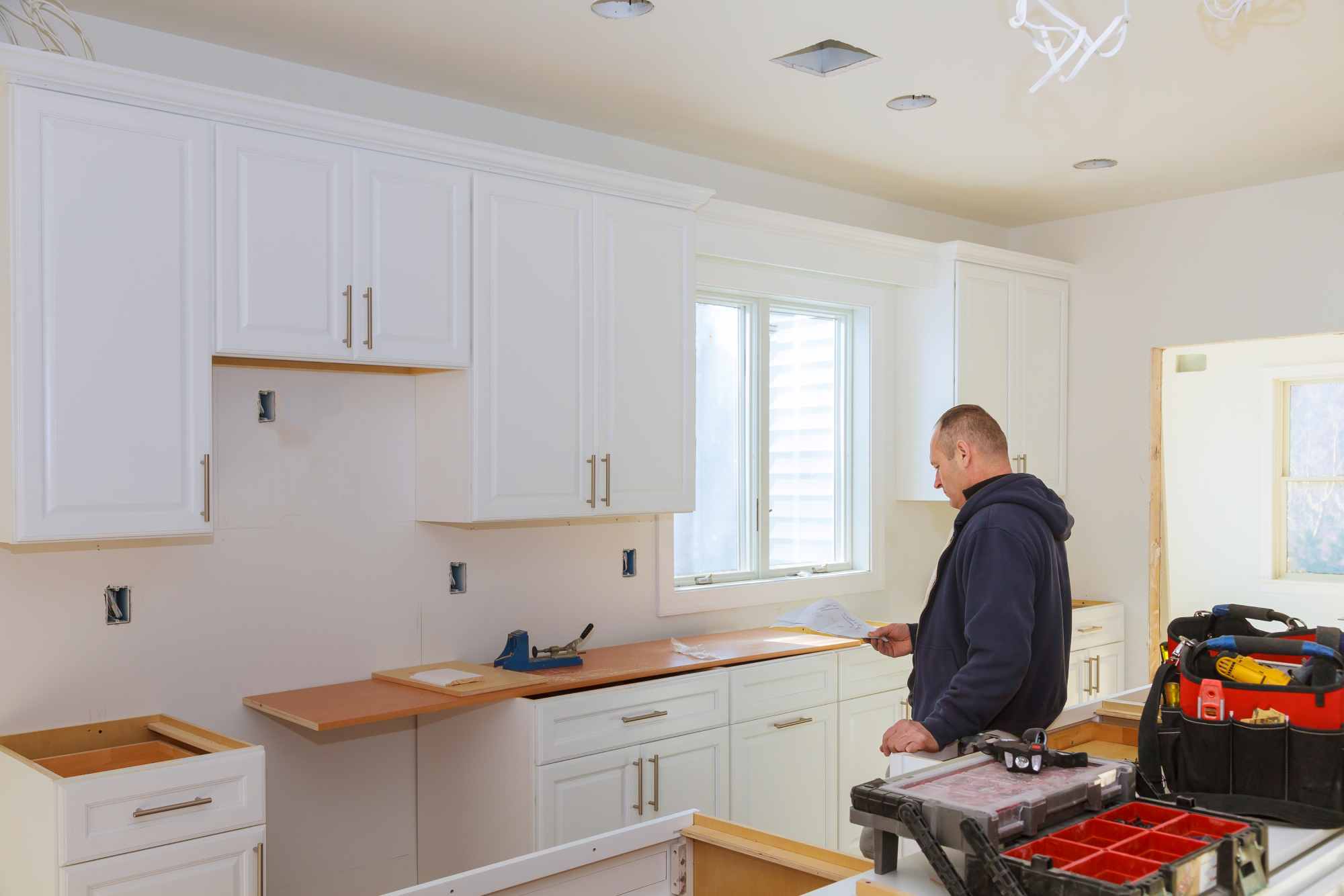
Renovations offer more than just a fresh coat of paint or new fixtures—they’re a chance to reimagine the way you live. Whether you're updating a tired kitchen, expanding your living area, or modernising an outdated layout, every change brings new energy to your space. The beauty of a renovation lies in its potential to combine functionality with personality. It allows homeowners to adapt their homes to evolving lifestyles and tastes. With careful planning and skilled execution, renovations can truly transform. It’s about turning your current house into your dream home.
One of the most exciting aspects of renovating is the creative freedom it provides. Unlike new builds, where everything starts from scratch, renovations work with existing character and structure. This creates opportunities to blend old charm with modern conveniences. A thoughtful renovation respects the original form while introducing new ideas. From open-plan concepts to smart storage solutions, creativity plays a huge role in successful outcomes. The key is finding a balance between what stays and what evolves.
Budgeting plays a crucial role in the renovation process and can make or break the experience. Setting clear priorities early on ensures you allocate funds where they matter most—like structural changes or high-use areas. Working with professionals helps you identify potential challenges before they become costly surprises. Renovations often uncover hidden issues such as plumbing defects or electrical upgrades, which require quick decisions. That’s why flexibility is essential during the journey. A well-planned budget allows room for both essentials and a few splurges.
Functionality should be at the core of every renovation. A space can look stunning, but if it doesn’t suit your day-to-day needs, it misses the mark. Whether it’s improving traffic flow, increasing storage, or enhancing natural light, good design serves a purpose. Renovations should make life easier and more enjoyable. That means asking how you use the space and what improvements will offer the most long-term value. Great renovations feel effortless because they’re built around the people who live in them.
Renovating with sustainability in mind is becoming increasingly important. Choosing energy-efficient appliances, better insulation, and eco-friendly materials helps reduce long-term running costs. It’s also a chance to install water-saving features and reduce waste by repurposing existing elements. These conscious choices benefit both the environment and your household budget. Sustainable renovations are not only responsible—they’re smart. They future-proof your home while maintaining comfort and style.
The renovation process involves multiple stages, from concept to completion. It typically starts with a consultation, followed by design development, material selection, and scheduling. Working with experienced builders ensures that timelines and expectations are managed realistically. Communication throughout each phase is essential to keep the project running smoothly. A structured process prevents misunderstandings and maintains momentum. It’s not just about what’s being built—it’s how the project is delivered.
Renovations can also significantly boost property value, especially when done with resale in mind. Updated kitchens, bathrooms, and outdoor living areas are highly attractive to potential buyers. Even cosmetic changes like fresh flooring or improved lighting can have a big impact. Strategic upgrades ensure your investment delivers returns, whether you're staying or planning to sell. Quality workmanship stands out in every detail and appeals to a wide market. A successful renovation enhances both personal enjoyment and market appeal.
Ultimately, a renovation is a deeply personal journey. It reflects your aspirations, your lifestyle, and your attention to detail. From the first sketch to the final reveal, the process is full of decisions—but also full of reward. When done right, it’s not just about adding value to your property; it’s about enriching the way you live. Your home becomes more than a structure—it becomes a reflection of who you are. That’s the real power of a well-executed renovation.

joinery
Joinery is the quiet genius behind beautifully built interiors, blending structure with style through the art of woodwork. From custom cabinetry to intricate door frames, joinery forms the backbone of detailed design. It’s about creating seamless, functional elements that enhance both the look and feel of a space. Every cut, joint, and finish is tailored to the environment it inhabits. Unlike generic mass production, joinery focuses on craftsmanship and individualisation. It’s this attention to detail that turns wood into lasting architectural features.
What sets joinery apart is the technical mastery involved in connecting components without relying solely on nails or screws. Using techniques like dovetail, mortise and tenon, and dowel joints, expert joiners ensure strength without compromising aesthetics. These joints, when done right, are virtually invisible and provide structural integrity that lasts for decades. Whether crafting a staircase or a wardrobe, precision is everything. Joiners measure twice and cut once, ensuring that every element fits perfectly. This meticulous process is what separates high-end joinery from basic carpentry.
Joinery offers endless possibilities for customisation, making it ideal for homes and businesses looking for unique solutions. Whether it’s a statement bookshelf built into a wall or a sleek, modern kitchen with made-to-measure cabinets, joinery adapts to your vision. Clients can choose their preferred timber species, finishes, and design elements to suit their lifestyle and décor. The result is a one-of-a-kind creation that elevates the space. With joinery, form and function merge seamlessly. It’s where creativity meets construction in its purest form.
Another strength of joinery is its ability to maximise space. In homes where square footage is limited, smart joinery can transform awkward corners and empty walls into functional storage or display areas. From under-stair drawers to floor-to-ceiling built-ins, every centimetre counts. Thoughtful joinery makes rooms feel bigger, tidier, and more organised without sacrificing style. It turns wasted space into valuable real estate. With clever planning, a well-designed piece can completely change how a room functions.
Durability is a hallmark of good joinery. Because it’s tailored to the environment and made from quality materials, professionally executed joinery outlasts most off-the-shelf alternatives. It resists warping, sagging, and wear when properly maintained. Joiners select their timber and finishes carefully based on the room’s purpose, temperature, and humidity. This ensures the product not only looks good on day one but continues to perform over time. It’s not just about design—it’s about building something that lasts.
Joinery also brings a natural warmth and texture to modern interiors, balancing sleek surfaces with tactile, organic materials. In a world of synthetic options and disposable trends, handcrafted woodwork brings authenticity and richness to a space. Whether polished, painted, or left raw, timber evokes a sense of character and calm. This is especially valuable in homes aiming for timeless design over fast fashion. Well-executed joinery becomes part of the home’s identity—never overpowering, but always present. It adds soul to the structure.
In commercial and retail spaces, joinery plays a key role in branding and atmosphere. Custom counters, shelving, and fixtures make businesses more distinctive and professional. A beautifully crafted reception desk or display cabinet can shape first impressions and create lasting impact. More than furniture, these pieces reflect the values and vision of a company. Joinery offers a perfect mix of functionality and flair, delivering custom-fit solutions that generic options can’t match. It's an investment in both form and brand identity.
Ultimately, joinery is a celebration of craftsmanship, design, and utility. It takes raw timber and turns it into something purposeful, beautiful, and enduring. Whether subtle or striking, every joinery piece carries the signature of its maker—a blend of skill, care, and imagination. In a world leaning toward automation, joinery reminds us of the power of hands-on artistry. It’s not just woodworking—it’s legacy building. And in every joint and finish, it tells a story worth remembering.
gyprock
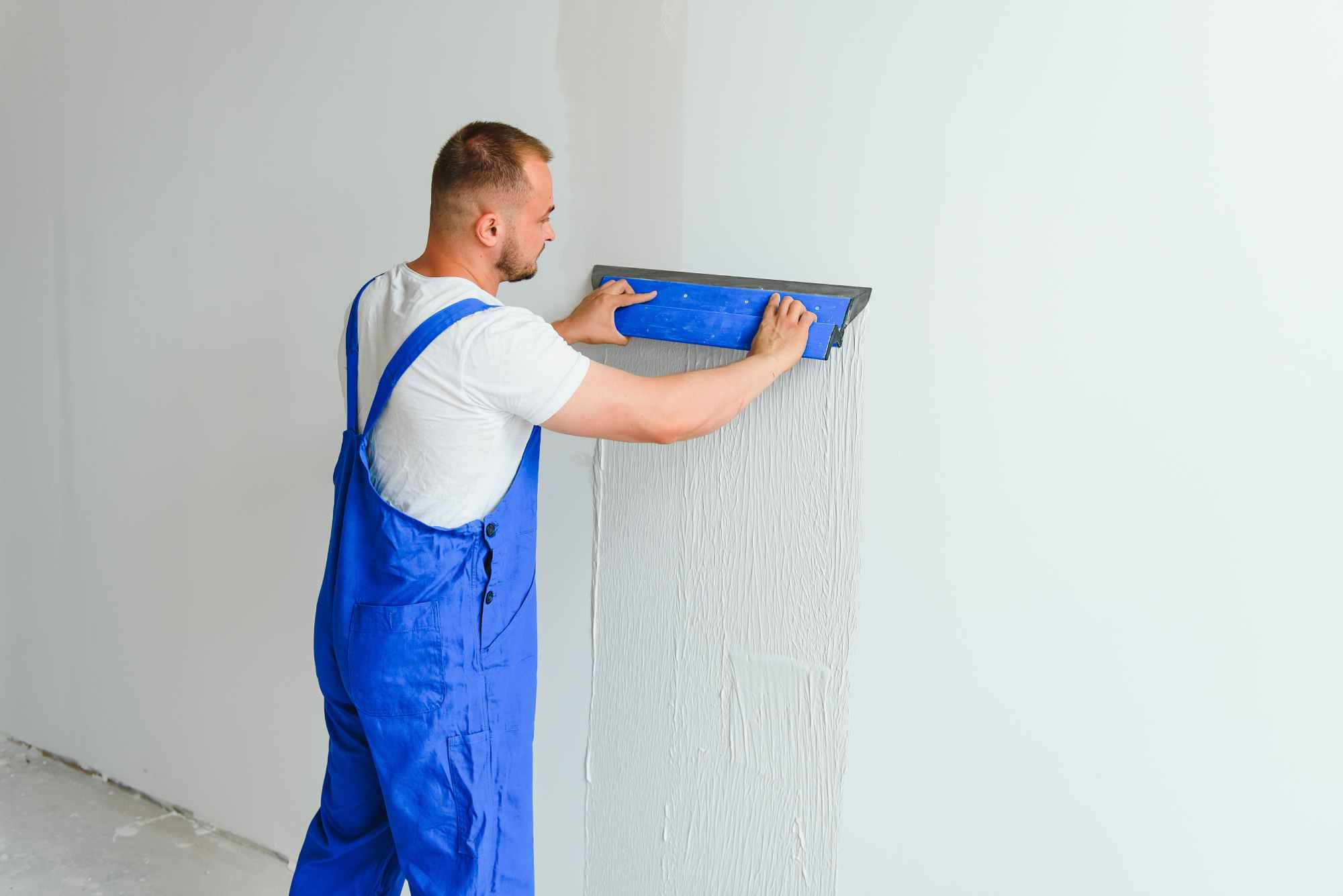
Gyprock, often referred to as plasterboard or drywall, is one of the most essential components in contemporary construction. It forms the smooth, even walls and ceilings that serve as the blank canvas for any interior space. From homes to offices, gyprock creates the structure that supports insulation, paint, and decorative finishes. Its clean finish and quick installation have made it a top choice for builders and renovators alike. Though it often goes unnoticed, its role in shaping comfortable and functional environments is undeniable. Without it, the polished spaces we enjoy wouldn't be possible.
The installation process is where gyprock truly proves its value. It’s lightweight yet sturdy, making it easy to transport and fit into a wide range of architectural designs. Once secured to a frame, joints are taped and sealed to create a seamless surface. The result is a sleek, uniform wall that can be primed and painted to match any aesthetic. Professionals ensure every sheet aligns perfectly to prevent future cracks or unevenness. Speed and precision are key, and when handled by experienced hands, the outcome is always impressive.
Beyond aesthetics, gyprock contributes to the overall performance of a building. It offers sound insulation properties, helping to create quiet, private rooms even in busy households. Specialized versions, like fire-rated or moisture-resistant boards, enhance safety and durability in kitchens, bathrooms, and garages. These variations allow for customized performance depending on a room’s purpose. Gyprock adapts to its environment without compromising design freedom. It's not just a wall—it’s a tailored solution built for everyday living.
One of gyprock’s standout features is its adaptability to various finishes. Whether you're aiming for a minimalist matte wall or intricate decorative mouldings, gyprock provides the ideal base. It supports wallpaper, tiles, textured paint, and even high-end plaster effects. This versatility makes it a favorite for both residential and commercial projects. Interior designers and builders rely on its flexibility to bring their visions to life. With gyprock, there are no limits to creativity—only endless possibilities for expression.
Repairs and modifications with gyprock are also straightforward, which is a major advantage for homeowners and property managers. Damaged sections can be patched, sanded, and refinished without needing to redo entire walls. This efficiency makes it practical for both large-scale renovations and quick touch-ups. Its availability and ease of use ensure that maintenance is cost-effective and stress-free. In fast-paced construction environments, gyprock keeps projects moving without unnecessary delays. It’s a reliable material that supports both beauty and practicality.
Environmental considerations have become more important in recent years, and gyprock manufacturers have adapted accordingly. Many products now feature recycled content and are designed for minimal waste during installation. Additionally, modern boards are lighter and more energy-efficient, reducing both emissions and on-site labor demands. These improvements make gyprock a smart choice for sustainable construction projects. Green building certifications often favor materials like these that offer high performance with a lower environmental footprint. Gyprock shows that efficiency and responsibility can go hand in hand.
Gyprock also plays a critical role in modern ceiling systems. It allows for the creation of recessed lighting, hidden wiring, and ducting that would otherwise clutter a room’s appearance. Feature ceilings—such as coffered or raked designs—rely on the flexibility of gyprock to bring depth and drama to a space. With the right framework, ceilings can become design statements instead of afterthoughts. This added dimension elevates interiors from simple to stunning. Gyprock helps define these architectural details with subtlety and strength.
In summary, gyprock is the unsung hero of modern construction and interior design. It’s lightweight, versatile, and strong—capable of supporting both everyday needs and grand design visions. Whether you’re building from scratch or giving your space a fresh start, gyprock lays the foundation for quality and comfort. It may not be the most glamorous material, but its contribution is impossible to ignore. From walls to ceilings and everything in between, gyprock is the smooth backbone that holds it all together. And that’s what makes it truly indispensable.
Cabinet Making
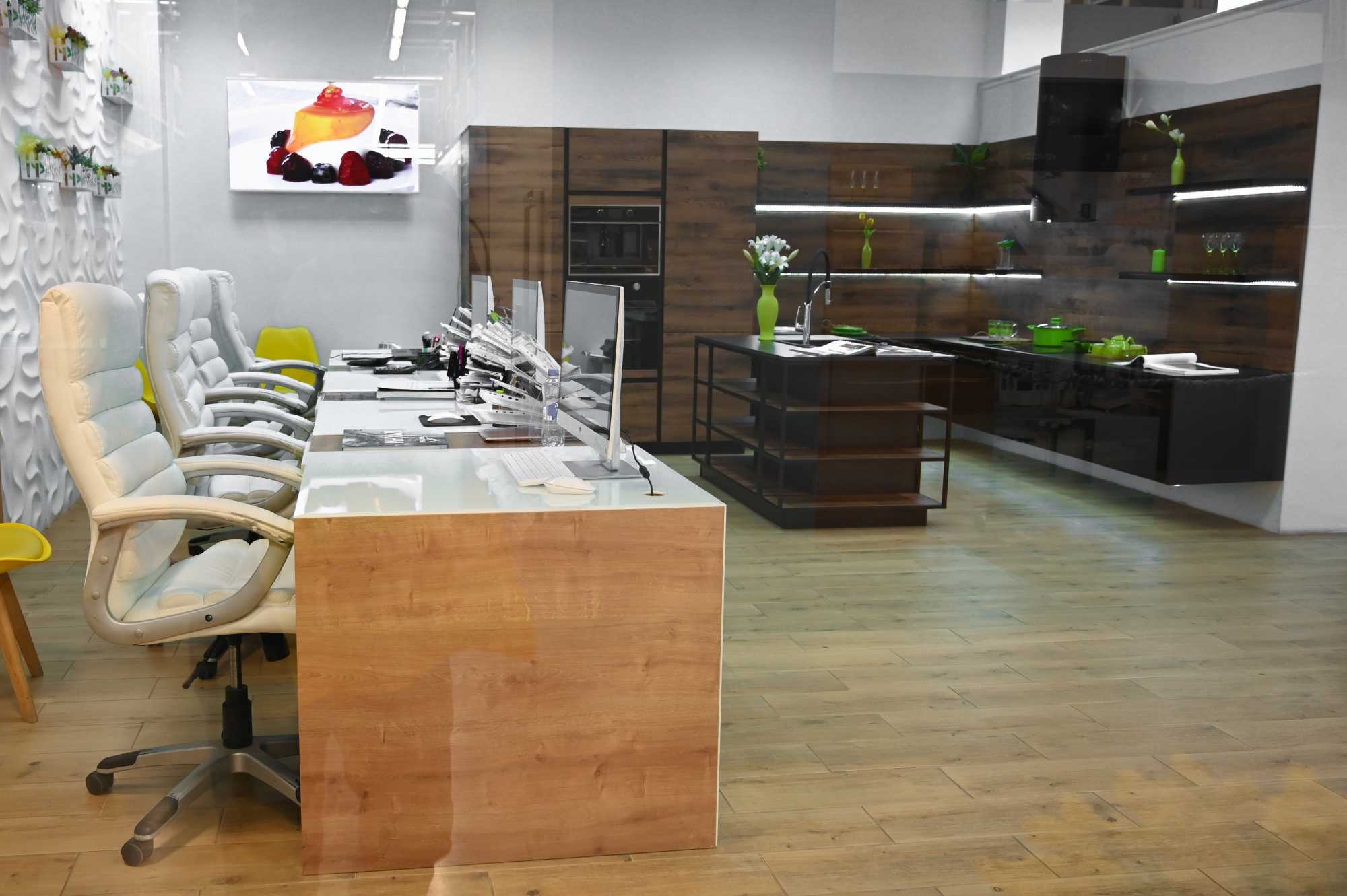
Cabinet making is where fine craftsmanship meets everyday function, turning blank spaces into organised, stylish havens. It’s more than building storage—it’s about creating custom pieces that reflect a home’s character and the homeowner’s needs. From sleek kitchen cabinets to intricate built-ins, these pieces shape how we use and experience our spaces. Every cabinet made by hand carries intention, precision, and attention to detail. They don’t just hold your belongings—they elevate the environment around them. That’s the unique power of quality cabinet making.
At the core of cabinet making is precision joinery and meticulous planning. Every project begins with understanding how the space is used and what storage challenges exist. Measurements are taken to the millimetre, materials are selected carefully, and layouts are designed for both flow and functionality. There’s no guesswork—just thoughtful design backed by technical know-how. From hinges to handle placements, everything has a purpose. This level of detail ensures a flawless fit and finish every time.
The beauty of custom cabinetry lies in its ability to adapt to any style or space. Whether you're going for a rustic farmhouse look or a clean, minimalist aesthetic, cabinet makers tailor every element to your vision. Materials, finishes, and layouts are all fully customisable. Unlike flat-pack options, bespoke cabinets take advantage of every nook and cranny, ensuring no space goes to waste. This not only improves storage but also enhances the overall look and feel of the room. It’s design and practicality working hand in hand.
High-quality cabinet making goes beyond appearance—it’s about durability and longevity. Skilled makers use strong timbers, reinforced joints, and top-tier hardware to build cabinets that can handle daily use for years. Soft-close drawers, moisture-resistant surfaces, and sturdy hinges are the mark of expert workmanship. These aren’t pieces you’ll need to replace in a few years—they’re built to last. Investing in superior cabinetry means peace of mind and fewer repairs down the line. It’s true value, not just surface-level appeal.
In the kitchen, where efficiency is everything, great cabinetry can make a huge difference. Well-placed cupboards, drawers, and pantry systems reduce clutter and streamline movement. Cabinet makers often include clever additions like pull-out spice racks, built-in bins, or hidden appliances to maximise utility. It’s not just about storage—it’s about creating a kitchen that works as hard as you do. Every decision, from drawer depth to shelf height, is made with purpose. That’s how custom cabinetry transforms a kitchen into a truly functional workspace.
Cabinet making isn’t limited to kitchens and bathrooms—it’s just as powerful in living rooms, bedrooms, and even offices. Think custom entertainment units, home office desks, wardrobes, or display shelving that fits perfectly and blends seamlessly with the room’s design. These pieces can frame a fireplace, showcase personal collections, or turn an empty wall into a focal point. With smart design, cabinets become architectural features, not just storage. They add structure, style, and sophistication to any space.
Eco-conscious design is also gaining ground in cabinet making. Many craftsmen are now using sustainably sourced wood, low-VOC finishes, and environmentally friendly manufacturing techniques. By reducing waste and selecting long-lasting materials, cabinet makers contribute to greener homes without compromising quality. Clients are increasingly interested in how their furniture is made—not just how it looks. With this shift, cabinet making becomes part of a more responsible and ethical design process. It’s craftsmanship with conscience, and it’s here to stay.
Ultimately, cabinet making is an investment in comfort, organisation, and style. It turns generic rooms into personalised spaces that serve real, everyday needs. The difference lies in the craftsmanship—the careful cuts, the smooth finishes, and the thoughtful touches that only a skilled professional can deliver. Custom cabinetry isn’t about mass production—it’s about creating something meaningful, made to last and designed just for you. In every hinge, drawer, and corner, there’s pride in the process. And that’s what makes cabinet making truly exceptional.
painting
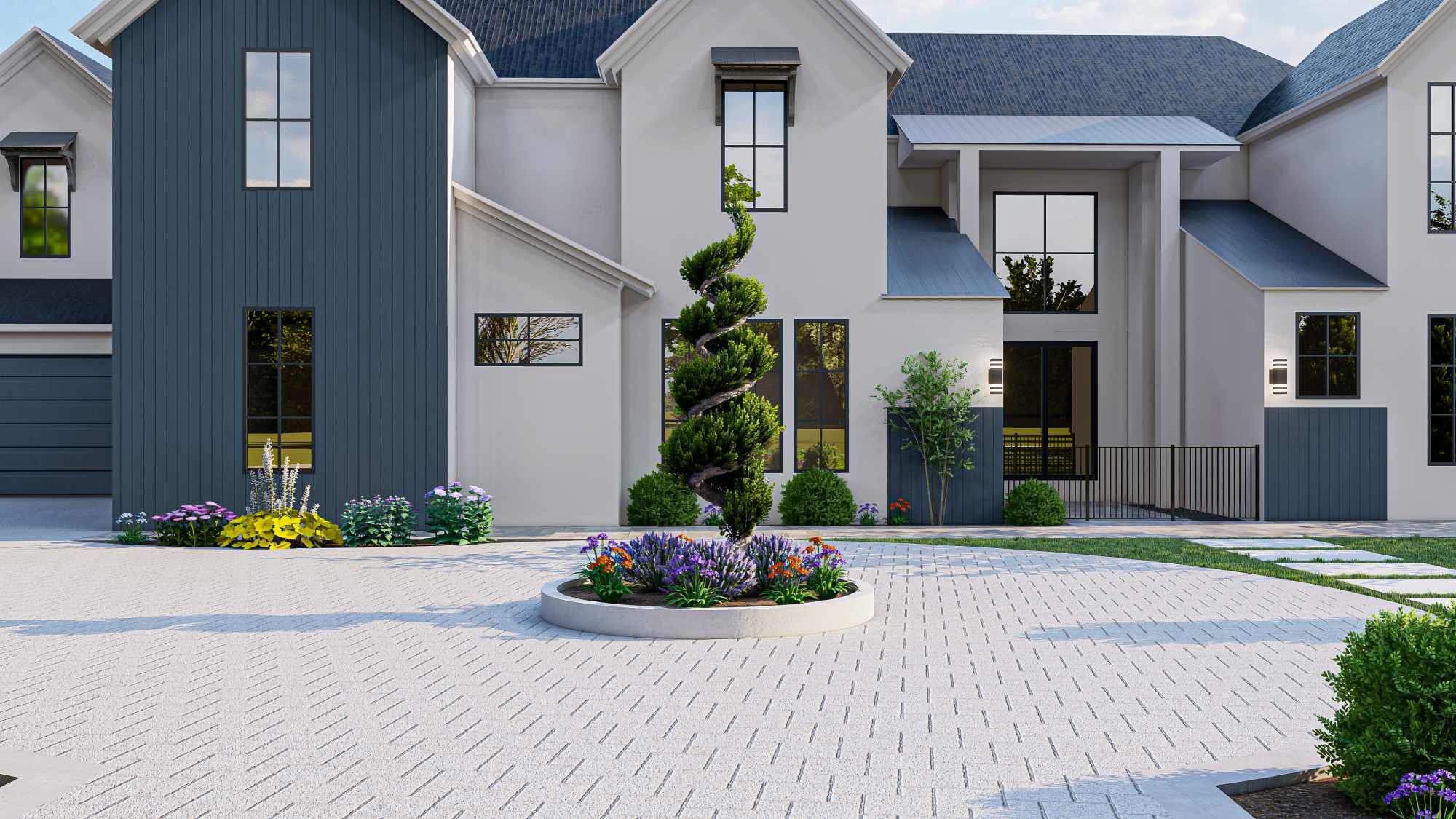
Painting is often the final step in a construction or renovation project, but its impact is immediate and transformative. The right paint job can breathe new life into tired walls, redefine a room’s atmosphere, and tie together all other design elements. From subtle neutral tones to bold feature walls, color has the power to influence mood and perception. A well-executed paint finish doesn’t just decorate—it elevates. It’s the visual polish that gives a space its identity. In the world of interiors, painting is where function meets expression.
Proper preparation is key to achieving flawless results. Before a single drop of paint touches the surface, walls need to be cleaned, patched, and primed. This groundwork ensures even coverage, stronger adhesion, and a longer-lasting finish. Skipping prep might save time short-term, but it often leads to chipping, peeling, or uneven color. Professionals understand that the best finishes start with the right foundation. A smooth surface is essential for making the final coat look crisp and clean.
Not all paints are created equal, and choosing the right type for the right surface matters. Interior paints differ from exterior paints in formulation and durability. Gloss, satin, matte, and eggshell finishes each have distinct uses and appearances. High-traffic areas like hallways and kitchens benefit from more washable, stain-resistant finishes. Meanwhile, ceilings often look best in flat paint to reduce reflection. Selecting the right combination enhances both the appearance and the performance of the finish.
Color selection goes beyond aesthetic appeal—it influences how a space feels and functions. Light tones can make small rooms appear more spacious, while darker shades add depth and drama. Cool hues bring calm, perfect for bedrooms and bathrooms, while warm tones energize social spaces like living rooms and kitchens. It's not just about trends—it’s about finding colors that reflect personality and support daily life. With thousands of options available, expert advice helps narrow down choices that work harmoniously throughout a home.
Texture and technique can also take a paint job to the next level. Techniques like color washing, rag rolling, or sponging add dimension and uniqueness to walls. Feature walls using metallics or chalkboard paint introduce elements of interest and functionality. Even subtle variations like soft brushing or roller textures can shift how light plays across a surface. These effects are best executed by experienced hands who understand how to balance boldness with cohesion. Painting becomes a creative outlet as much as a technical skill.
Timeliness and precision matter, especially in professional painting projects. Neat edges, consistent coverage, and uniform finishes show the difference between a rushed job and one done with care. Skilled painters work efficiently while protecting surrounding surfaces like floors, trims, and fixtures. Taping, drop sheets, and the right tools all contribute to a clean workspace and a high-quality outcome. Every detail, from brushstroke to drying time, affects the final result. It’s this commitment to excellence that sets professionals apart.
Painting also plays a crucial role in maintenance and protection. Quality paints help shield surfaces from moisture, UV rays, and everyday wear. In areas prone to mold or humidity, using the right paint can extend the life of walls and ceilings. Regular repainting keeps properties looking fresh, clean, and well-kept—whether for personal enjoyment or resale value. It’s a cost-effective way to maintain the health and aesthetics of any space. A fresh coat of paint does more than look good—it preserves what lies beneath.
At its core, painting is about transformation. It can change the tone of a room in a day, turn bland into beautiful, and breathe personality into bare walls. It’s a skill that blends artistry with technique, and when done right, it speaks volumes without saying a word. Whether refreshing a single room or reimagining an entire home, painting delivers instant impact. It’s the finishing touch that turns design into reality. And in the hands of a true professional, it becomes nothing short of transformative.